What Is a Wisdom Tooth Infection?
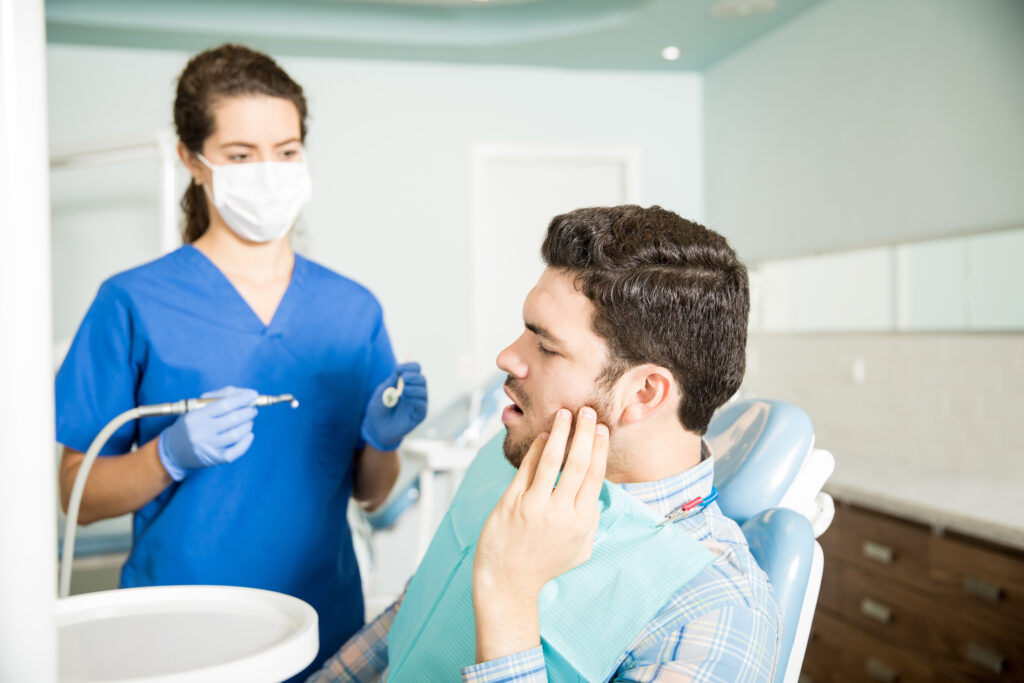
Wisdom teeth are the last set of molars at the back of your mouth. Sometimes, these teeth do not come in properly. As a result, they can become trapped or only partly break through the gum. This can lead to a wisdom tooth infection. Infections happen when bacteria enter the area around the tooth. Because the back of the mouth is hard to clean, wisdom teeth are more likely to get infected.
Common Symptoms of Wisdom Tooth Infection
It is important to know the wisdom tooth infection symptoms early. This helps you get care before the problem gets worse. Below are common signs of infected wisdom tooth to watch for:
Sometimes, you may also notice swollen lymph nodes under your jaw. In addition, chewing may become painful. If you see any of these signs, it is wise to pay attention.
When to Seek Dental Care
Although mild discomfort can happen with new teeth, some symptoms need quick action. For example, if you have severe pain, swelling, or trouble swallowing, you should see a dentist right away. Also, if you notice pus or a fever, do not wait. Early treatment can prevent the infection from spreading. Even if symptoms seem mild, it is better to get a dental checkup. Dentists can spot problems before they become serious.
Risks of Ignoring Symptoms
Ignoring wisdom tooth infection symptoms can lead to bigger problems. For instance, the infection can spread to nearby teeth or even your jawbone. In rare cases, it can affect other parts of your body. According to dental journals, untreated infections may cause abscesses, which are pockets of pus. These can be very painful and may need surgery. Therefore, it is important to act quickly if you notice any signs of infected wisdom tooth.
Prevention Tips
While you cannot always prevent wisdom tooth infection, you can lower your risk. Here are some simple tips:
In summary, good oral care and regular dental visits help keep your mouth healthy.
Conclusion
Wisdom tooth infection symptoms can often start mildly, but ignoring them may lead to more serious dental problems. Early diagnosis and treatment can help prevent pain, swelling, and complications. If you notice any signs of infection, don’t delay seeking care. Consult Dr. Saleha (Trudent Dental Hospital) for expert evaluation, timely treatment, and personalized dental care to protect your oral health.