What is Malocclusion?
Malocclusion means the teeth are not aligned properly when you close your mouth. This dental issue is also called a “bad bite.” Many people have some level of malocclusion. However, severe cases can cause problems with eating, speaking, or cleaning teeth. According to the World Health Organization, malocclusion is one of the most common dental issues worldwide. Early recognition can help prevent further complications.
Common Signs of Malocclusion
It is important to spot the signs of dental misalignment early. While some signs are easy to see, others may be subtle. For example, you might notice changes in your bite or the way your teeth look. Here are some common signs:
Key Symptoms to Watch For
Besides visible signs, malocclusion can cause other symptoms. Sometimes, these symptoms may affect daily life. Therefore, it is important to pay attention to the following:
For example, children in the US with malocclusion may have trouble eating or speaking clearly. If you notice these symptoms, it is wise to seek dental advice.
When to See a Dentist
Early detection of malocclusion can make treatment easier. But when should you visit a dentist? If you or your child show any signs or symptoms listed above, it is time to schedule a dental checkup. Additionally, regular dental visits help catch problems before they get worse. Dentists can spot issues that may not be obvious at home. Even if symptoms seem mild, a dentist can provide guidance on the next steps.
How Malocclusion is Diagnosed
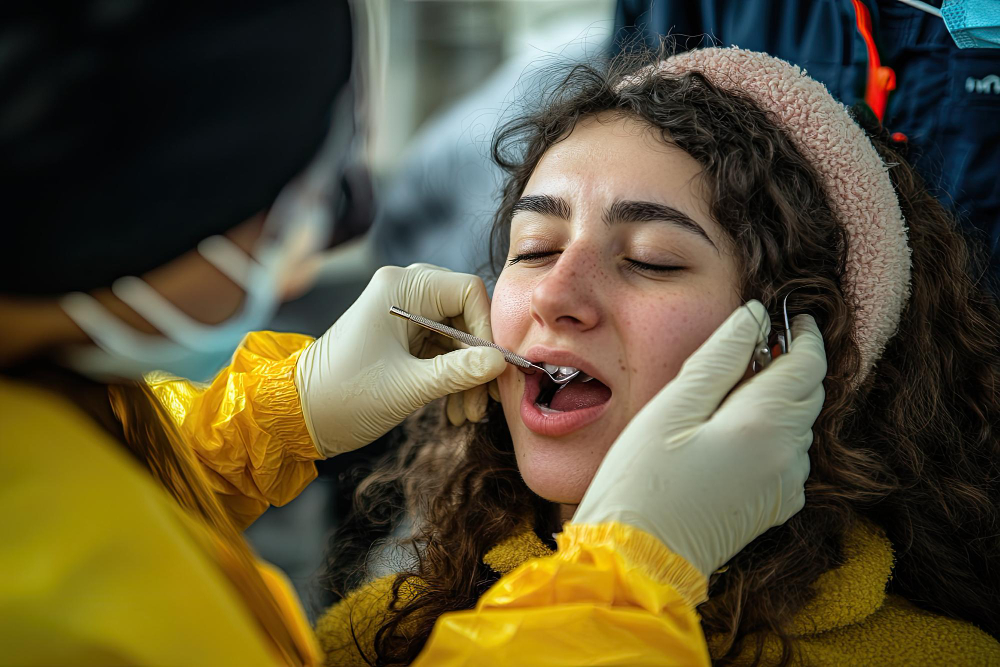
Diagnosing malocclusion is a simple process. First, the dentist will examine your teeth and jaw. They may ask about your symptoms and dental history. Next, the dentist might take X-rays or make molds of your teeth. These tests help them see how your teeth fit together. With this information, the dentist can decide if treatment is needed. Sometimes, they may refer you to an orthodontist, a specialist in dental alignment.
Prevention and Early Detection Tips
While not all cases of malocclusion can be prevented, some steps can help. For instance, parents should watch for early signs in children. Here are some tips:
Early action can reduce the risk of severe dental misalignment. Therefore, staying alert to changes in your teeth or bite is important.
If you notice signs of malocclusion, consult Dr.Saleha(TRUDENT DENTAL HOSPITAL)for personalized advice. Early care can make a big difference in your oral health.